





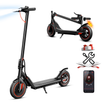
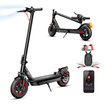
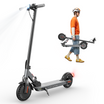
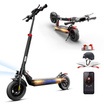


Uphill routes can quickly reveal the difference between an electric scooter that looks powerful on paper and one that is genuinely suited to demanding terrain. While motor power is an important part of hill-climbing performance, it is not the only factor to consider. The incline, tires, battery, rider weight, and overall scooter design can all affect how confidently a scooter handles a climb.
For riders who regularly travel through hilly streets or challenging terrain, choosing the right electric scooter means looking beyond wattage. The iX7Pro and DX5 are two models worth considering, with different strengths designed for demanding rides.
Why Motor Power Isn’t Everything
It is easy to assume that a higher-wattage motor automatically means better hill performance. However, an electric scooter needs more than a powerful motor to handle an incline effectively.
A scooter's climbing performance can be affected by several factors, including:
- Climbing capability: A steeper incline requires more effort from the scooter.
- Battery performance: Long climbs can consume more energy than riding on flat roads.
- Tire design: Good traction helps the scooter maintain contact with the road or trail.
- Rider and cargo weight: Heavier loads place additional demands on the motor.
- Terrain: Smooth pavement and loose or uneven surfaces create very different riding conditions.
- Scooter weight and stability: A well-balanced design can provide better control when climbing and descending.
This is why motor wattage should be viewed as one part of the overall system rather than the deciding factor by itself.
What to Look for in an Electric Scooter for Uphill Routes
Before choosing an electric scooter for hills, consider the type of routes you ride most often. A short paved incline has different requirements from a long, steep route with rough terrain.
1. Climbing Capability

The stated climbing capability is one of the most useful specifications when comparing scooters for uphill riding. It gives you an indication of the type of incline the scooter is designed to handle.
However, real-world performance can vary depending on factors such as rider weight, battery charge, surface conditions, and the length of the climb.
For riders who frequently encounter steep routes, choosing a model with a strong climbing rating can provide more confidence than relying on top speed or motor wattage alone.
2. Motor Configuration

Motor power still matters, but how that power is delivered is also important.
A higher peak output can provide additional performance when climbing, while a dual-motor setup can distribute power across two driven wheels. This can be particularly useful when riding on demanding terrain.
The goal is not simply to choose the largest motor. Instead, consider whether the scooter's motor setup is appropriate for the steepness and terrain you regularly encounter.
3. Tires and Traction Tires are another important consideration that can easily be overlooked.
When climbing, the tires need to maintain contact with the surface while the motor delivers power. Smooth pavement, gravel, uneven paths, and off-road surfaces can all affect traction differently.
For riders who regularly travel beyond smooth pavement, larger or purpose-built tires can make the scooter more suitable for challenging terrain.
4. Battery and Range
 Uphill riding can require more energy than traveling over flat ground. This means the maximum range advertised for a scooter should not necessarily be treated as the range you will achieve on a route filled with hills.
A scooter with a longer maximum range can provide additional flexibility for riders who combine hills with longer journeys.
Consider how often you encounter climbs and how long your overall route is before making a decision based only on the range figure.
5. Rider Weight and Load

The total load carried by the scooter also matters.
The rider's weight, along with a backpack, equipment, or other cargo, adds to the work the scooter needs to do when climbing. This makes the maximum load rating an important specification when choosing a scooter for demanding routes.
If your regular rides involve additional cargo, choose a model with enough load capacity to accommodate your actual riding weight comfortably.
iX7Pro: Built for Steeper and More Demanding Routes

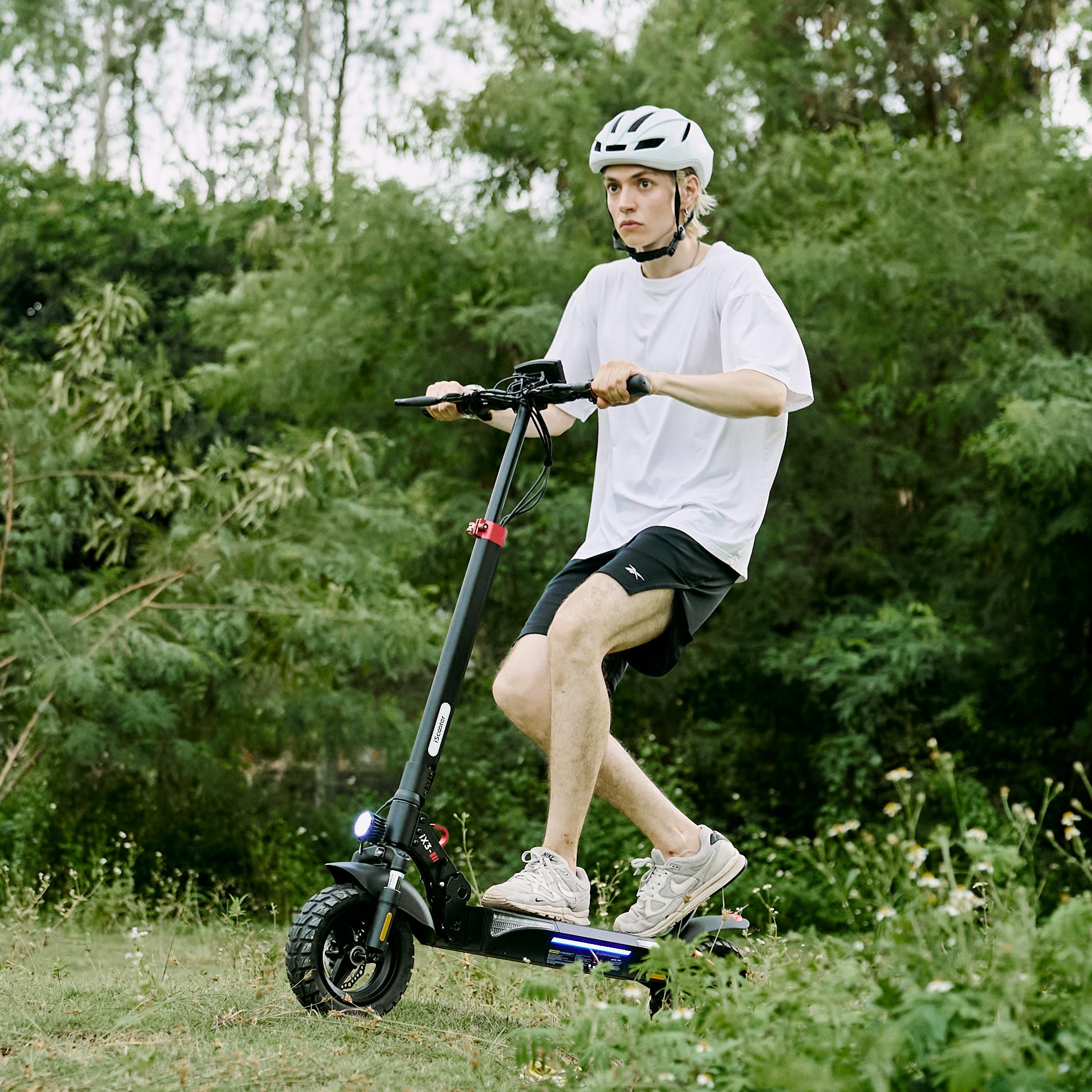
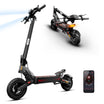
The iX7Pro is an off-road electric scooter designed for riders looking for substantial climbing capability and performance.
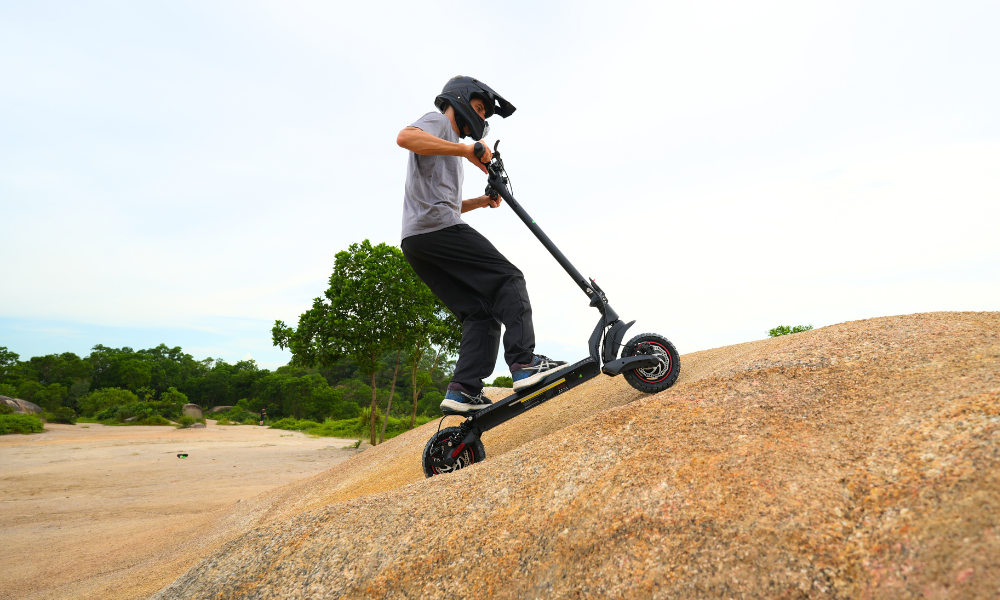
Its combination of a 25% climbing capability, dual-motor drive, off-road tires, and high peak motor output makes it particularly suited to riders who regularly encounter steep or challenging terrain.
iX7Pro Key Features
- 25% climbing capability
- 60 KM/H top speed
- 80 KM maximum range
- 10" off-road tires
- Peak 2000W dual-motor drive
- 30 KG scooter weight
- 150 KG maximum load
The dual-motor setup gives the iX7Pro a strong performance-focused configuration, while the 10-inch off-road tires are designed with more demanding surfaces in mind.
Its 80 KM maximum range also gives riders additional range capacity for longer routes, although actual range can vary depending on riding conditions, speed, rider weight, terrain, and other factors.
For riders whose regular routes combine steep climbs with rougher surfaces, the iX7Pro offers a combination of climbing capability and off-road-oriented equipment rather than relying on motor power alone.
DX5: A Heavy-Duty Option for Challenging Routes
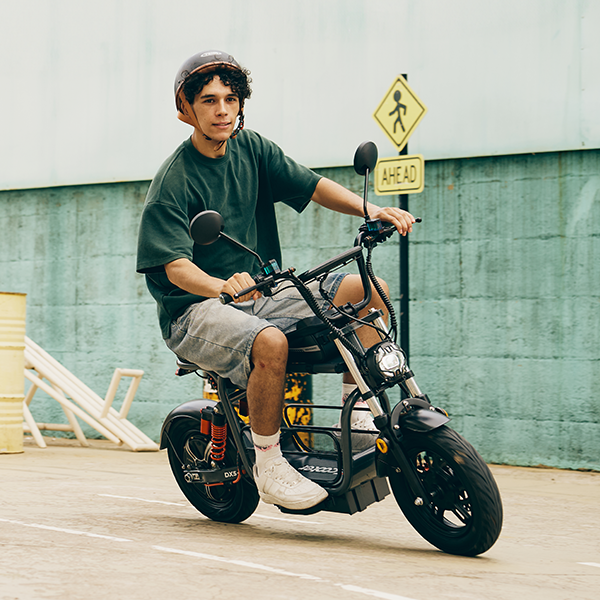
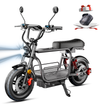
 The DX5 Cargo Electric Scooter with Seat takes a different approach to demanding rides. Instead of focusing solely on extreme climbing performance, it combines a strong motor with large 16-inch durable brushless tires and a substantial overall build.
DX5 Key Features
- 15° hill climb
- 55 KM/H top speed
- 72 KM maximum range
- 16" durable brushless tires
- Peak 1500W motor drive
- 45.7 KG scooter weight
- 150 KG maximum load
Its 16-inch tires stand out among its specifications, providing a larger wheel setup for riders who want a more substantial platform for challenging routes.
The DX5 also supports up to 150 KG, matching the iX7Pro's maximum load rating. With a 72 KM maximum range, it can also suit riders who need to cover longer distances where hills are part of the route.
The DX5 is therefore an interesting option for riders who want a heavy-duty electric scooter with a strong motor, large tires, and substantial carrying capacity.
iX7Pro vs. DX5: Which Is Better for Uphill Routes?
Both models are designed for demanding riding, but their specifications point toward slightly different priorities.
The iX7Pro stands out for riders who place a higher priority on climbing capability and off-road performance. Its 25% climbing rating, peak 2000W dual-motor drive, and 10-inch off-road tires make it the more performance-focused choice for steep and challenging terrain.
The DX5, meanwhile, offers a 15° hill-climb rating, peak 1500W motor drive, 16-inch durable brushless tires, and a 72 KM maximum range. Its larger tires and heavier 45.7 KG build make it a different type of option for riders who want a substantial scooter for demanding routes.
Rather than asking which scooter has the bigger motor, consider what your route actually demands.
Choose the iX7Pro if you prioritize:
- Higher stated climbing capability
- Dual-motor performance
- Off-road riding
- A lighter scooter than the DX5
- A higher peak motor output
Choose the DX5 if you prioritize:
- A 15° hill-climb rating
- Large 16-inch tires
- A heavy-duty scooter design
- A 150 KG maximum load
- A long-range setup for demanding routes
How to Choose the Right Scooter for Your Uphill Route
The best way to choose an uphill electric scooter is to start with your route instead of the product's most impressive specification.
Final Thoughts
Choosing an electric scooter for uphill routes involves more than finding the biggest motor. Motor output matters, but climbing capability, tires, battery range, rider load, terrain, and overall design all contribute to how a scooter performs on demanding routes.
The iX7Pro and DX5 offer two different approaches for riders who regularly face hills. The iX7Pro combines a 25% climbing capability, dual-motor drive, and off-road tires for riders seeking a more performance-oriented setup. The DX5 combines a 15° hill-climb rating, 1500W peak motor drive, large 16-inch tires, and a 150 KG load capacity for a substantial heavy-duty setup.
Before choosing, think about your steepest climb, the surface you ride on, how much weight you carry, and how far you normally travel.
The right uphill scooter isn't simply the one with the most motor power. It's the one whose entire setup matches your route.

Leave a comment
This site is protected by hCaptcha and the hCaptcha Privacy Policy and Terms of Service apply.